UK Patients Welcome · Temos-Accredited Hospital · IFSO-Member Surgeons
Gastric Bypass Surgery in Turkey
The gold standard for severe obesity and type 2 diabetes. Roux-en-Y gastric bypass creates a small stomach pouch and reroutes the small intestine — restricting portions and reducing calorie absorption. Patients typically lose 70–80% of their excess weight within 18–24 months, and type 2 diabetes often goes into remission, frequently within weeks of surgery.
Procedure time
2–3 hours
Hospital stay
2–3 nights
Stay in Antalya
6–7 nights
Type 2 diabetes
Often remission
OVERVIEW
What is gastric bypass surgery?
Gastric bypass (Roux-en-Y) is a keyhole operation that creates an egg-sized stomach pouch and connects it directly to the small intestine, bypassing most of the stomach and the first part of the intestine. You eat much less and absorb fewer calories, and hormonal changes improve blood sugar control. At NewMe it takes 2–3 hours under general anaesthetic at Anatolia Hospital in Antalya, performed by our bariatric surgeons Prof. Dr. Nurullah Bülbüller and Op. Dr. Mani Habibi. You spend 2–3 nights in hospital and stay in Antalya for 6–7 nights.
🥚 Restriction
A small stomach pouch, about the size of an egg, means genuinely small meals satisfy you.
🔀 Malabsorption
Rerouting the small intestine means fewer calories — and less sugar — are absorbed from what you eat.
🧬 Metabolic reset
Hormonal changes begin within days: type 2 diabetes often improves before significant weight is lost.
🔥 Reflux relief
Bypass is the procedure of choice for severe acid reflux — it typically resolves rather than worsens it.
BYPASS VS SLEEVE
Gastric bypass or gastric sleeve: which is right for me?
Roux-en-Y bypass is the most studied bariatric operation, with more than 50 years of data. It reaches further than restriction-only procedures, but needs a stricter lifelong supplement routine.
| Feature | Gastric bypass | Gastric sleeve |
|---|---|---|
| Excess weight loss | 70–80% | 60–70% |
| Type 2 diabetes | High remission rates, often within weeks | Significant improvement |
| Acid reflux | Usually resolves | Can worsen |
| Surgery time | 2–3 hours | 45–60 minutes |
| Supplements | Stricter lifelong regime | Simpler basics |
| Revision option | The standard route after a failed sleeve or band | Permanent |
Still weighing it up? Our sleeve vs bypass guide goes deeper — and your free assessment gives you a personal recommendation, not a sales pitch.
IS IT RIGHT FOR YOU?
Who is gastric bypass for?
Candidacy is decided by the surgical team on medical grounds — and “not yet” or “the sleeve suits you better” are answers we give often.
✓ Your BMI is 40+, or 35+ with type 2 diabetes, high blood pressure or sleep apnoea — check yours with our BMI calculator
✓ Type 2 diabetes control is a main goal — bypass is often the strongest surgical answer
✓ You have severe acid reflux (GORD), which bypass typically resolves and a sleeve can aggravate
✓ You need revision surgery after a gastric band, sleeve or previous bypass that has not delivered
THE PROCEDURE
How does gastric bypass surgery work?
The laparoscopic operation takes 2–3 hours under general anaesthetic with a dedicated anaesthesia team, through 4–5 keyhole incisions.
1
Pouch creation
The stomach is divided to create a small pouch — the new, egg-sized “working stomach”.
2
Intestinal bypass
The small intestine is divided and connected to the pouch, bypassing the first section where most calorie absorption happens.
3
Leak test & closure
The connections are leak-tested and the incisions closed with dissolvable sutures; you wake to 24-hour nursing care.
YOUR SURGEONS
Who will perform my gastric bypass?
Your gastric bypass is performed by our bariatric surgical team — two experienced laparoscopic surgeons who also lead your follow-up.
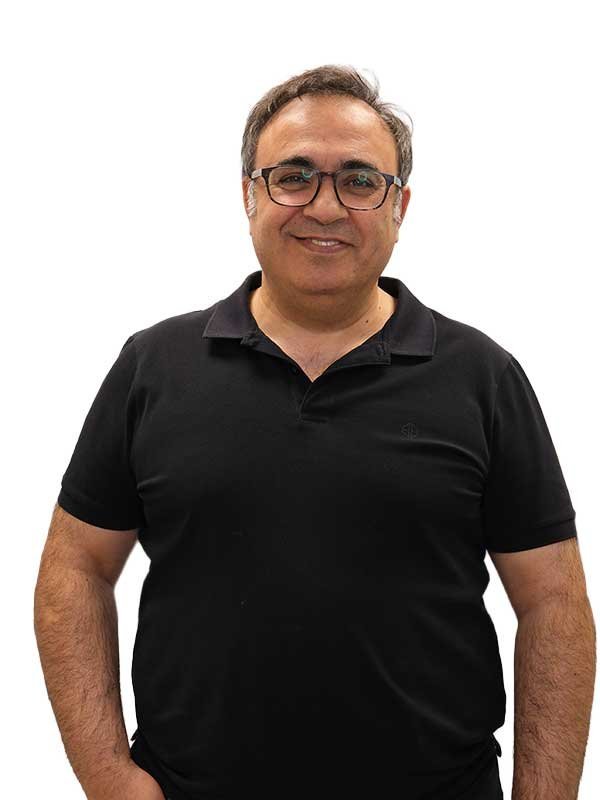
Prof. Dr. Nurullah Bülbüller
Decades of academic and clinical bariatric practice, specialising in laparoscopic obesity surgery.
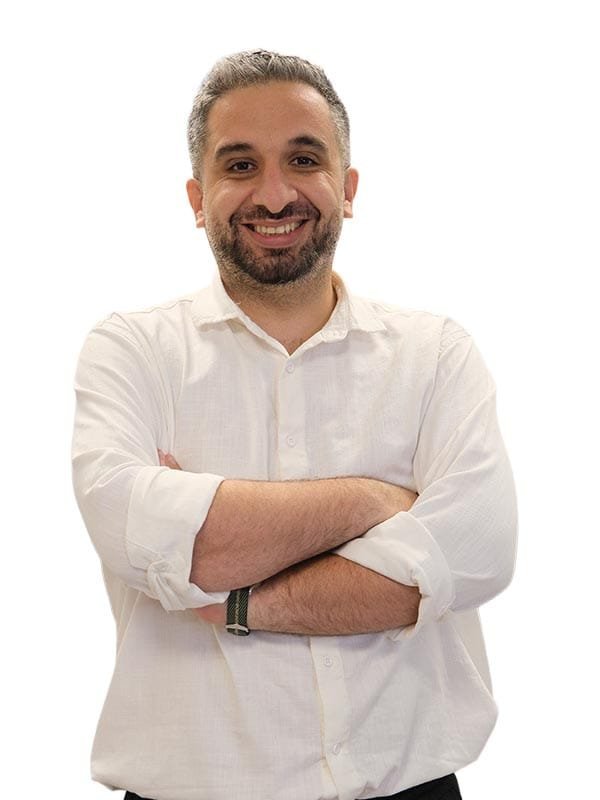
Op. Dr. Mani Habibi
Co-founder of NewMe Health Clinic — laparoscopic bariatric surgeon known for meticulous technique and lifelong patient follow-up.
🏅 IFSO-member surgeons · 17,500+ bariatric procedures performed collectively · every operation in a Temos-accredited international hospital.
YOUR HOSPITAL
Where is my gastric bypass performed?
Your tests, operation and hospital nights take place at Anatolia Hospital in Antalya — one of NewMe’s contracted institutions, accredited by Temos for Quality in Medical Care. A dedicated anaesthesia team looks after you during surgery and the hospital’s nursing team monitors you around the clock while you are an inpatient, until you are confidently mobile and drinking well.
YOUR JOURNEY
How long do I stay in Antalya?
Six to seven nights in Antalya — then a new metabolism, with our team guiding you remotely.
Before you travel
Video consultation, history assessment and pre-op plan; your coordinator organises the hospital and transfers around your dates and helps you book a hotel.
Days 1–2 — Arrival, tests & surgery
VIP transfer, admission and a full work-up on day one; your 2–3 hour operation on day two, waking to 24-hour nursing care.
Days 3–4 — Hospital recovery
Supervised liquids begin; you are walking early and monitored around the clock.
Days 5–6 — Hotel recovery
Comfortable rest near the hospital with daily check-ins as your energy returns.
Day 7 — Final check & fly home
Fit-to-fly clearance, your GP-ready surgical report and your staged nutrition plan.
Weeks 1–8 at home
Liquid, puréed, soft, then normal healthy eating, guided remotely — including how to avoid dumping syndrome.
LIFELONG AFTERCARE
What aftercare do I get after gastric bypass?
📱 Structured remote follow-up
Video check-ins at 2 and 6 weeks, then 3, 6 and 12 months — and a 24/7 WhatsApp line answered within hours.
🇬🇧 UK follow-up clinics, twice a year
Your surgeon sees former patients in person on twice-yearly UK visits — cities and dates rotate and are announced ahead of time.
💊 Lifelong supplementation
Bypass reduces absorption by design, so a daily multivitamin, B12, iron, calcium and vitamin D are essential — we hand you the exact protocol.
📈 A 5-year aftercare programme, not a goodbye at the airport — aftercare is the other half of the operation.
SAFETY
What are the risks of gastric bypass surgery?
Gastric bypass is one of the most studied operations in surgery, but it is major surgery and carries risks. Your surgeon goes through them with you before you book, and we recommend reading the NHS overview of weight loss surgery as well.
Common and expected
Tiredness and nausea in the first days; dumping syndrome after sugary or fatty food; temporary hair thinning during rapid weight loss; and loose skin.
Less common
Vitamin and mineral deficiencies without lifelong supplements, gallstones, ulcers or narrowing at the join, and an internal hernia causing bowel blockage later on.
Rare but serious
A leak from one of the connections, bleeding, blood clots in the legs or lungs, and reactions to the anaesthetic.
How we reduce your risk: a full pre-operative work-up; leak-tested connections; early walking and clot prevention; supervised feeding before discharge; a lifelong supplement protocol with periodic blood tests your GP can run; and structured follow-up for at least five years.
TRANSPARENT PRICING
See exact prices — nothing hidden
Our gastric bypass pricing — what’s included, hotel options and how it compares — is published openly on one dedicated page. Revision cases are quoted individually after assessment.
FOR UK PATIENTS
Planning gastric bypass in Turkey from the UK
NHS and weight loss surgery
On the NHS, weight loss surgery is usually offered at a BMI of 40+, or 35+ with conditions such as type 2 diabetes (NICE thresholds), after a weight management programme and often a long wait.
Direct flights, about 4 hours
Direct routes from most UK airports to Antalya, visa-free for UK passport holders; a VIP transfer meets you at arrivals.
Surgeons who visit the UK
Our bariatric surgeons hold in-person follow-up clinics in the UK twice a year — in rotating major cities, with dates announced to patients in advance. Ask to join the next UK clinic list →
GP-ready surgical report
A full English-language surgical report, a sick note if needed, and a remote follow-up schedule your GP can work with — with every consultation in fluent English.
New to surgery abroad? Our step-by-step guide for UK patients walks you through the whole journey.
QUESTIONS
Frequently asked questions
Is gastric bypass safe in Turkey?
Safety follows the team: a Temos-accredited hospital, IFSO-member surgeons and 17,500+ collective procedures — see the NHS overview of weight loss surgery for the general risks. Major complications needing another operation are uncommon.
How much weight will I lose?
Typically 70–80% of excess weight within 18–24 months — a patient 50kg above their ideal weight can expect to lose 35–40kg. Long-term results depend on following the aftercare programme.
Does bypass really put type 2 diabetes into remission?
For many patients, yes — often within days or weeks, before major weight loss, because rerouting the intestine changes the hormones that control blood sugar. Many leave hospital already reducing medication under medical guidance.
What is dumping syndrome?
When sugary or fatty food passes too quickly into the intestine, causing nausea, sweating and a racing heart for 30–60 minutes. It affects some bypass patients occasionally and is managed by food choices.
Is gastric bypass reversible?
Technically yes — unlike the sleeve — but reversal is complex and rarely needed. Treat it as permanent; that mindset is part of why it works.
Can bypass fix a failed sleeve or band?
Yes — bypass is the standard revisional operation after a sleeve, band or previous bypass that has not delivered. Revision cases are assessed individually by our surgeons.
How long am I in Antalya?
6–7 nights: arrival and tests, 2–3 hospital nights, then hotel recovery until your final check around day 7, when you are cleared to fly.
When can I return to work?
Desk work in 10–14 days, light physical work in 3–4 weeks and heavy manual work in 6–8 weeks. Walking from day one; light cardio from week 3–4 with your surgeon’s agreement.
Will I need vitamins forever?
Yes — essential with bypass: a daily bariatric multivitamin, B12, iron, calcium citrate and vitamin D, with periodic blood checks your GP can run.
Will I have loose skin?
Very possibly — 70–80% excess weight loss is dramatic. Many patients later plan body contouring (tummy tuck, arm or thigh lift) with our plastic surgery team.
How do I secure a surgery date?
After your assessment and written quote, a deposit on our secure deposit page reserves your surgeon and date — deducted in full from your total.
Which hospital is the surgery performed in?
At Anatolia Hospital in Antalya, one of NewMe’s contracted institutions, accredited by Temos for Quality in Medical Care.
Is the hotel included?
No. Your package covers the surgery, your hospital nights, tests, medications, VIP transfers and aftercare. Hotel nights are booked separately, and we can arrange a hotel close to the hospital for you.
Diabetes, reflux, severe obesity — bypass answers all three.
Send your details for a free assessment — an honest recommendation from surgeons who perform this every week.